
 English


Views: 0 Author: Site Editor Publish Time: 2025-08-19 Origin: Site


Have you ever wondered how authorities protect sensitive areas from unauthorized drones? With drones becoming more advanced, stopping them can be a challenge. In this post, we’ll explore the concept of drone jamming, spoofing, and electronic interruption. You’ll learn how these techniques are used for security and defense, and the tools behind them.
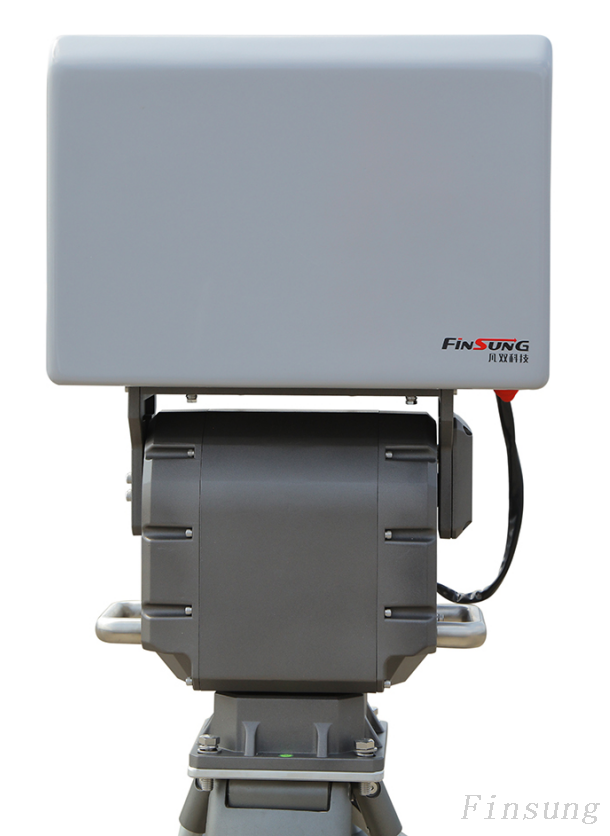
Drone jamming involves disrupting or blocking the communication signals between a drone and its operator. The main goal is to interfere with the drone’s operation, causing it to lose control or return to a pre-set location. It primarily targets communication systems like GPS, radio control, and video transmission, rendering the drone inoperable.
Barrage Jamming: This technique floods a broad range of frequencies with wideband noise, overwhelming the drone's communication systems. It makes it difficult for the drone to distinguish between valid signals and interference.
Sweep Jamming: A narrowband signal is swept across various frequencies, confusing the drone's receiver. This jamming method targets specific communication channels and interrupts the drone’s functions.
Tone Jamming: Discrete tones are used to target particular frequencies, especially in systems that use Frequency Hopping Spread Spectrum (FHSS). It disrupts the drone's ability to switch between frequencies, preventing proper communication.
Smart Jamming: This method focuses on more precise and critical signals in Direct Sequence Spread Spectrum (DSSS) and FHSS systems. Smart jamming aims to selectively block or interfere with the most important signals, ensuring the drone loses control without wasting power.
Follower Jamming: By tracking the frequency shifts of FHSS systems, this technique jams newly selected frequencies. It ensures that the drone is continuously disrupted, even as it tries to hop across various channels.
The effectiveness of drone jamming depends on several factors, such as the drone type, signal strength, and the distance between the jammer and the drone. Some drones with advanced communication systems may require more powerful or multi-frequency jamming techniques. The closer the jammer is to the drone, the more effective the disruption is likely to be. On the other hand, drones operating on alternative frequencies, like 4G or 5G, present new challenges for jamming systems.
| Jamming Technique | Effectiveness | Best Use Case |
|---|---|---|
| Barrage Jamming | Moderate to High | General disruption, low-cost |
| Sweep Jamming | Moderate | Targeting specific frequencies |
| Tone Jamming | High | FHSS-based systems |
| Smart Jamming | High | Precision targeting in DSSS/FHSS |
| Follower Jamming | High | Continuous jamming of FHSS drones |
Drone spoofing is a technique used to deceive a drone by sending false signals. Unlike jamming, which disrupts communication, spoofing manipulates the data the drone receives. By simulating a GPS signal, the spoofing device tricks the drone into thinking it’s in a different location. This can result in the drone following a false path or even landing in an unauthorized area. GPS signals play a crucial role in spoofing, as they guide the drone’s navigation and control.
Static Spoofing: This technique involves providing a false, fixed GPS location to the drone. It misleads the drone into thinking it is at a different location, often tricking it into thinking it is far from its original position.
Dynamic Spoofing: This method goes a step further by manipulating the drone's navigation in real-time. It alters the drone’s movement and altitude, causing it to fly erratically or land unexpectedly. Dynamic spoofing is often used in combination with no-fly zones to force drones into restricted areas or make them land immediately.
Spoofing is particularly effective when combined with no-fly zones. By spoofing a drone’s GPS location to match a restricted area, the attacker can cause the drone to enter the no-fly zone. This can trigger safety protocols, such as automatic landing or a return-to-home function. Spoofing is an essential tool in creating safe, controlled airspaces and preventing unauthorized drones from entering sensitive areas like airports or military zones.
| Spoofing Type | Effectiveness | Best Use Case |
|---|---|---|
| Static Spoofing | Moderate | Misleading location |
| Dynamic Spoofing | High | Forcing drones to land or erratic behavior |
| No-Fly Zone Spoofing | High | Restricting drones in designated zones |
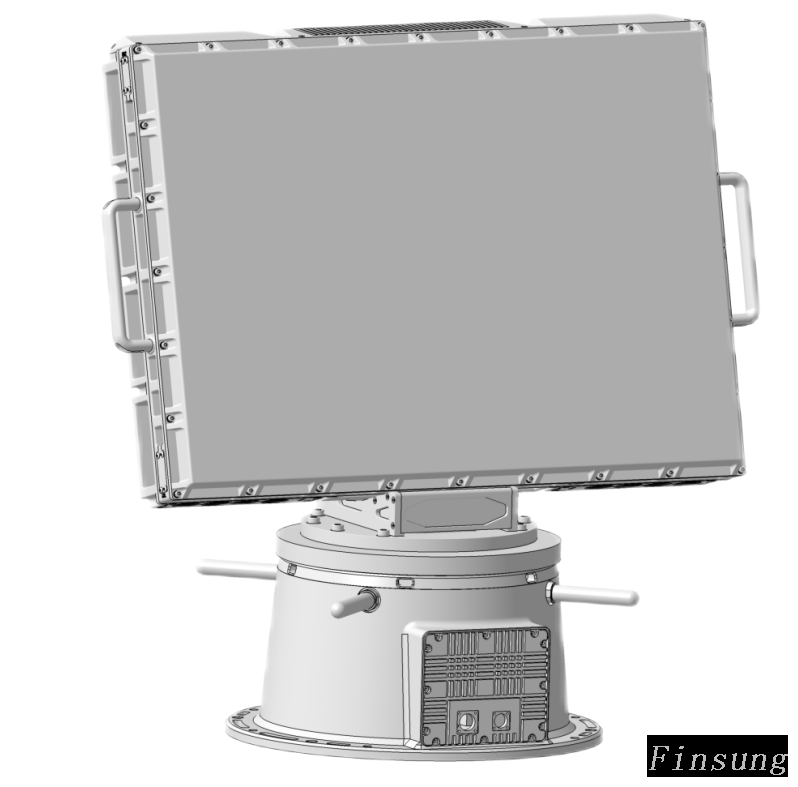
Software Defined Radios (SDR): SDRs are essential for generating and transmitting signals in drone jamming systems. They allow for flexible frequency tuning and modulation, making them perfect for custom jamming solutions. With an SDR, the signal can be adjusted in real-time to target different drone communication channels, such as GPS or video transmission.
Power Amplifiers and Antennas: These devices are used to increase the strength and range of the jamming signal. Power amplifiers ensure that the signal is powerful enough to disrupt the drone's communication, while antennas help direct the signal to the target area effectively. These components are crucial for maintaining jamming effectiveness at greater distances.
Common Devices for Jamming: There are both stationary and mobile jamming units available. Stationary units are typically set up in a fixed location and are used for protecting critical infrastructure. Mobile units are portable, allowing for more flexibility in counter-drone operations. These devices are often used in military and public security contexts.
GPS Signal Simulators (e.g., GPS-SDR-SIM): GPS spoofing requires specialized devices, like GPS simulators, to generate fake GPS signals. GPS-SDR-SIM is a popular software tool that can create realistic GPS signals. It is used to manipulate a drone’s navigation by simulating fake satellite signals.
How Spoofing Devices Work: Spoofing devices emit false GPS signals that mimic legitimate ones, causing the drone to misinterpret its location. These devices send out stronger, misleading signals that trick the drone’s GPS receiver into accepting them as real. This can lead to the drone flying off course or landing in restricted areas.
Technology Behind Creating Fake GPS Data: Spoofing relies on creating GPS data packets, including location, time, and altitude information. By manipulating these data packets, spoofing devices can control a drone's navigation system, forcing it to follow a false path or land unexpectedly. This is accomplished by broadcasting fake GPS coordinates that override the real ones received by the drone.
| Device Type | Purpose | Example Tools |
|---|---|---|
| Software Defined Radios (SDR) | Signal generation and modulation | ADALM-PLUTO, HackRF One |
| Power Amplifiers | Boost signal strength and range | WYDZ-PA-1G-3GHz-1W |
| GPS Signal Simulators | Create fake GPS signals | GPS-SDR-SIM |
| Antennas | Direct signal transmission | Yagi antennas |
Drone jamming is heavily regulated due to the potential for interfering with essential communication systems. In many countries, including the U.S. and EU, jamming devices are illegal without proper authorization. In the U.S., the Federal Communications Commission (FCC) prohibits the use of signal jammers under the Communications Act of 1934. The same applies in many other countries where jamming can disrupt emergency services, air traffic control, and military communications.
U.S. Regulations: The use of jamming devices, such as GPS or cell phone jammers, is strictly illegal under FCC rules. Violators face hefty fines and possible criminal charges.
EU Laws: The European Union also restricts the use of jamming technology, although certain exemptions apply in military or law enforcement contexts.
Unauthorized jamming activities can lead to severe penalties, including financial fines, equipment seizure, and even imprisonment in extreme cases.
While jamming and spoofing can be powerful tools for security, they come with significant risks.
Harm to Other Communication Systems: Jamming can interfere with emergency communications like 911 calls, disrupting public safety systems. This could prevent first responders from acting promptly in a crisis. Spoofing can cause similar issues by misleading navigation systems, affecting other devices that rely on GPS.
Ethical Considerations: Using jamming or spoofing technologies raises serious ethical questions. These methods could be misused, leading to privacy violations or the manipulation of drones in a harmful way. Especially in public spaces, the use of these technologies could put civilians at risk.
Consequences of Misuse: The biggest risk is the accidental disruption of manned aircraft or civilian systems. For instance, a drone forced into a no-fly zone could interfere with air traffic, potentially causing accidents. If not carefully controlled, jamming and spoofing can cause more harm than good, leading to unintended consequences.
| Risk Type | Description | Potential Consequences |
|---|---|---|
| Communication Disruption | Jamming affects public safety systems | Emergency services may be delayed or blocked |
| Ethical Violations | Spoofing may breach privacy | Unauthorized tracking or manipulation |
| Air Traffic Interference | Misuse of jamming and spoofing | Risk of accidents involving manned aircraft |
In military operations, drone jamming and spoofing are essential for securing airspace and protecting sensitive areas. Jamming helps neutralize unauthorized drones, which could pose a threat to military operations or critical infrastructure.
Case Studies: In conflict zones, jamming technologies are deployed to prevent adversary drones from gathering intelligence or launching attacks. Military bases often use spoofing to force enemy drones into restricted airspace, preventing surveillance or sabotage.
Protecting Critical Infrastructure: Airports and military bases are prime targets for rogue drones. Jamming and spoofing technologies are used to block drones from entering restricted zones or to safely redirect them, minimizing potential risks.
Drone jamming and spoofing are also increasingly used in civilian and commercial sectors for safety and security.
Public Safety and Security: These technologies protect sensitive locations like government buildings, stadiums, and large events from rogue drones. Security forces use jamming to disable drones that could pose a danger or violate no-fly zones.
Protecting Airports and Sensitive Locations: Airports, which are prime targets for drone disruptions, often employ drone countermeasures to ensure safe operations. Jamming prevents drones from interfering with air traffic control systems.
Businesses and Security Companies: Companies in sectors such as logistics, entertainment, and critical infrastructure use drone jamming to safeguard their assets. Security firms often deploy spoofing technologies to track and neutralize unauthorized drones.
As drones evolve, many are now utilizing 4G and 5G communication technologies, which present new challenges for traditional jamming systems.
Challenges of 4G/5G Drones: Drones operating on advanced cellular networks, like 4G and 5G, are harder to jam. These systems are designed to be more resilient against interference, requiring new countermeasures.
Future Directions: To address these challenges, researchers are developing multi-frequency jamming solutions that can target drones using a combination of older and newer communication protocols.
The Need for Multi-Frequency Jamming: To counter advanced drones, jamming systems must be capable of disrupting multiple frequencies. Future systems will need to adapt in real-time to ensure effective disruption of drone communications.
| Application Area | Jamming/Spoofing Use Case | Example |
|---|---|---|
| Military Operations | Securing airspace, neutralizing enemy drones | Military zones in conflict areas |
| Civilian and Public Security | Protecting sensitive locations | Airports, stadiums, government buildings |
| Business and Commercial Security | Preventing unauthorized drone activity | Logistics hubs, event venues, critical infrastructure |
| 4G/5G Drone Countermeasures | Adapting jamming for modern drones | Multi-frequency jamming systems |
Technology is rapidly evolving, and so are the methods for jamming and spoofing drones. One of the most promising advancements is in Software Defined Radio (SDR) technology. SDRs allow for more flexible and precise control over signal frequencies. These systems can be dynamically reprogrammed, making them ideal for targeting a wide range of drones operating on different communication protocols. As SDR technology improves, jamming systems will become more efficient and capable of disrupting a broader spectrum of drone signals.
Another exciting development is the integration of AI and machine learning into spoofing techniques. AI can help improve the accuracy of spoofing by learning the behavior of specific drones and adapting to counter them in real time. For example, AI could analyze drone flight paths and adjust spoofing tactics to make them more effective at manipulating GPS signals or communication links.
The next frontier in drone countermeasures could be real-time adaptive systems. These systems would automatically adjust jamming and spoofing techniques based on the drone’s behavior, communication signals, or even environmental factors. This adaptability would make counter-drone technology far more responsive and effective in dynamic situations.
As drones continue to evolve, they are becoming harder to counter. Many advanced drones now incorporate AI-assisted navigation, which can make traditional jamming and spoofing methods less effective. Drones with AI can learn from their environment, adapt to interference, and even reroute their communications, making them more resilient to countermeasures.
Moreover, the shift towards 4G and 5G communication in drones presents another challenge. These networks offer stronger and more stable connections, making them harder to jam. As drones move to faster, more reliable networks, existing jamming technologies need to evolve to keep up. The ability to jam multiple frequencies at once will become essential.
To keep up with these advancements, multi-frequency jamming systems will become crucial. These systems will need to be capable of targeting a wide range of signals, from traditional radio frequencies to newer 4G/5G bands. Developing these sophisticated systems is vital for staying ahead of the curve in drone countermeasures.
| Challenge | Explanation | Future Solution |
|---|---|---|
| AI-assisted Navigation | AI allows drones to adapt to interference | Use AI to predict drone behavior |
| 4G/5G Communication | These systems offer stronger connections | Multi-frequency jamming systems |
| Evolving Drone Technology | Drones are becoming smarter and more adaptive | Real-time adaptive jamming |
Drone jamming and spoofing are vital for security but must be balanced with ethical concerns. These techniques protect sensitive areas from unauthorized drones. As drone technology evolves, countermeasures will need to advance, requiring more sophisticated systems to tackle new challenges in communication and AI-assisted navigation.
A: Jamming disrupts communication between the drone and the operator, while spoofing misleads the drone by providing false GPS data.
A: Drone jamming is illegal in many countries, including the United States, due to its potential to interfere with emergency communication systems and other vital communications.
A: Yes, drone jamming is used in civilian applications to protect sensitive areas like airports, government buildings, and event venues from unauthorized drones.
A: The primary risks include interfering with manned aircraft, emergency communications, and potential accidents if drones crash due to loss of control.
A: Jamming disrupts a drone’s GPS signal, preventing it from returning home or maintaining position, while spoofing misleads the drone's GPS system, potentially causing erratic flight or landing in restricted areas.
A: Tools include Software Defined Radios (SDR), power amplifiers, antennas, and spoofing devices like GPS simulators.
A: While jamming and spoofing work on traditional communication protocols like GPS, drones using 4G/5G require more advanced multi-frequency countermeasures.
A: Future developments focus on improving real-time adaptive jamming systems and expanding multi-frequency solutions to address the growing complexity of modern drone communications.


