
 English


Views: 0 Author: Site Editor Publish Time: 2025-08-19 Origin: Site


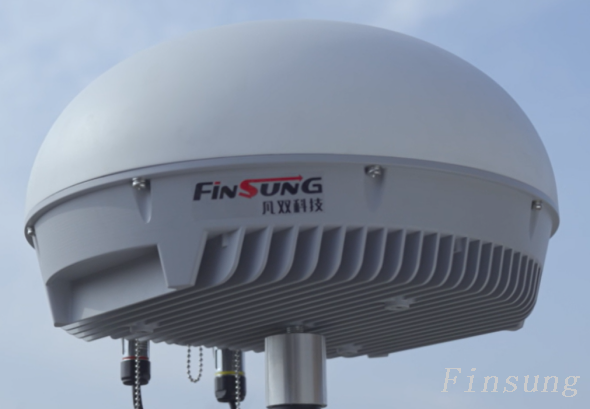
Drone jammers have become a controversial topic in recent years. With drones becoming more accessible, many people wonder if using a jammer is a solution to privacy and security concerns.In this article, we’ll explore what drone jammers are, why people are turning to them, and whether or not they are legal to use. You’ll learn about the risks involved and the legal implications of using these devices.
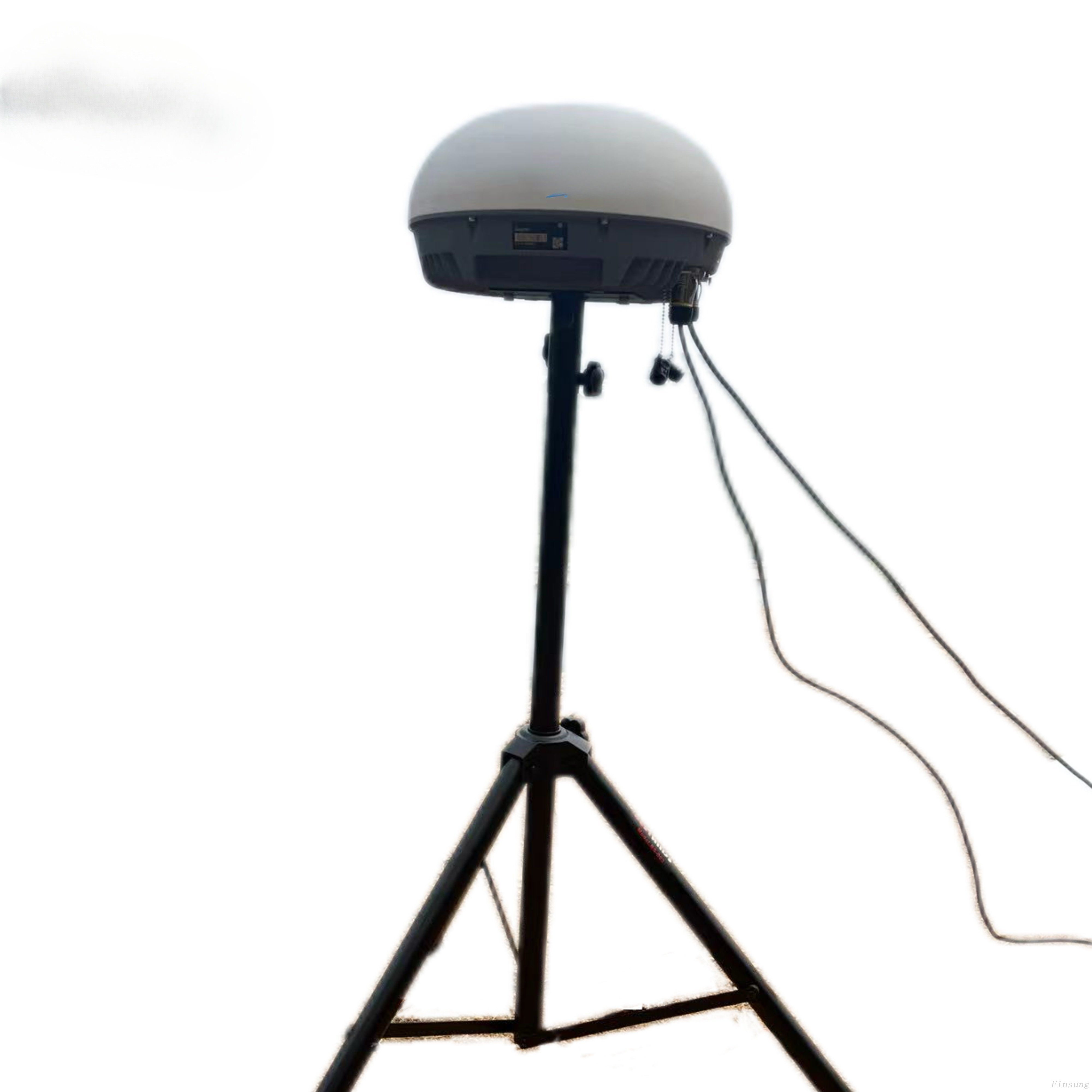
Drone jammers are illegal for personal use in the U.S. The Federal Communications Commission (FCC) strictly regulates radio frequency use. Using a drone jammer without proper authorization can lead to hefty fines or even criminal charges.
Drone jammers are primarily governed by the Communications Act of 1934, particularly Sections 301 and 333. Section 301 requires individuals to be licensed if they use radio transmitters, which includes jamming devices. Section 333 prohibits interference with radio communications, including those used by drones. Violating these regulations can result in penalties.
While drone jammers are illegal for private citizens, some government agencies, like the Department of Defense and Department of Homeland Security, are authorized to use them. These agencies must receive special permissions and follow strict protocols to ensure that their use doesn’t interfere with other critical communications.
Using a drone jammer without proper authorization can lead to serious legal consequences. The FCC can impose hefty fines, seize the jammer, and in some cases, even prosecute the individual. If convicted, the penalties could include jail time, making it crucial to follow the law if you plan to use any jamming equipment.
Drone jammers can pose significant risks to public safety. Since they block communication signals, they could interfere with emergency services like 911 calls, putting lives at risk. Additionally, disrupting aviation systems is another concern, as it could create dangerous situations for both manned and unmanned aircraft.
Yes, using a drone jammer can unintentionally block other critical signals. For example, it can disrupt GPS signals, cell phone networks, and other communication systems. This could affect nearby systems that rely on these signals, leading to a range of unintended consequences, from navigation errors to emergency communication failures.
If you're looking for legal alternatives to drone jammers, there are several technologies to consider. Drone detection systems are commonly used to identify and track drones in real-time. Radar systems can help locate drones by detecting their movement. Another option is net guns, which physically capture drones without damaging them or interfering with other signals. These technologies provide effective ways to monitor and neutralize drones legally.
Drone detection systems come in two main types: passive and active. Passive systems detect drones by listening for their signals, such as radio frequencies. Active systems, on the other hand, send out signals (e.g., radar) to detect drones in the airspace. Both methods allow for the identification and tracking of drones without causing interference, making them a safer, legal alternative to jamming.
In the UK, drone jammers are illegal for private use. The UK’s Communications Act of 2003 prohibits the use of any jamming device that interferes with communications. Unauthorized use of such devices can lead to fines and even imprisonment. The government and certain agencies may use them, but strict regulations apply.
In the European Union, the use of drone jammers is similarly restricted. The EU follows strict regulations regarding the use of radio frequencies. Like in the UK, counter-drone technologies that interfere with public airspace and communication systems are regulated to ensure aviation safety. Each EU member state may have additional rules, but overall, jammers are not legally used by civilians.
Around the world, the legality of drone jammers varies. In some countries, like China, regulations on jamming devices are more relaxed, but they still require government approval for use. In Canada, drone jammers are banned for civilian use, but exceptions exist for law enforcement and military agencies. Countries like Australia and India also have strict regulations, making it illegal for private individuals to use these devices without special authorization.
Even though it’s your property, you can’t legally use a drone jammer. The law prohibits the use of jamming devices, including on private property, due to the risk of interfering with other communications systems. This applies even if the drone is on your property, so using a jammer could lead to penalties.
Drone jammers can be less effective against drones that fly autonomously. If a drone is pre-programmed to follow a specific path, it may continue its flight even if communication is blocked. However, the jammer may still disrupt other features, like GPS or emergency return-to-home functions, depending on the drone.
Using a drone jammer near your house is not legal. While it may seem tempting to stop a drone hovering nearby, doing so could interfere with public communication systems. In addition, this action could have serious legal consequences, including fines or even imprisonment, making it a risky move.
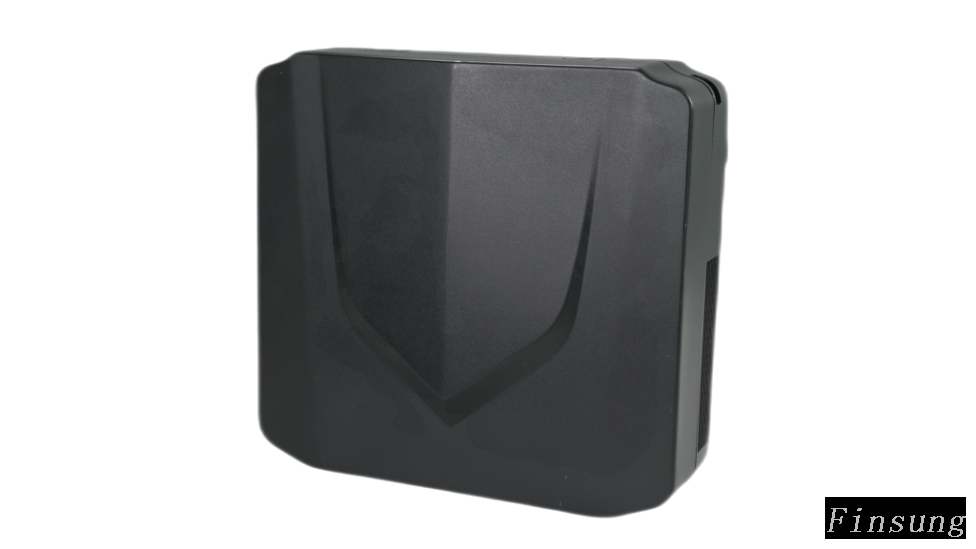
If a drone is hovering near your property, the first step is to stay calm and avoid confronting the drone directly. It's best to contact local authorities and report the situation. Many areas have specific laws about drone flights near private property, and the authorities can investigate the issue. Additionally, you can use legal countermeasures, like drone detection systems, to monitor the situation without interfering with the drone.
Yes, physical countermeasures can be used legally in some situations. Net guns are an example of a physical measure that can safely capture a drone. These devices fire a net designed to entangle the drone, bringing it down gently without causing damage. However, using such equipment requires knowledge of the law and should be done cautiously, as it may not be legal in all regions. Always check local regulations before attempting to use physical methods to stop a drone.
Drone jammers are illegal for private use in most countries, including the U.S. They can interfere with public communications and pose safety risks. Legal alternatives like drone detection systems and net guns are safer options.
Instead of using a jammer, consider legal methods to handle unwanted drones. Contact authorities or use drone detection technologies.
A: No, drone jammers block communication signals, while GPS spoofers send fake GPS signals to mislead drones. Jammers interfere with the drone's communication, while spoofers hijack its navigation system.
A: No, using drone jammers near airports is highly restricted. It can interfere with air traffic control systems, leading to severe legal consequences, including fines and imprisonment.
A: Drone jammers come in various forms, from handheld devices to larger stationary systems. Handheld jammers are portable, while stationary models provide wider coverage for specific areas.


