
 English


Views: 0 Author: Site Editor Publish Time: 2025-08-20 Origin: Site


Have you ever wondered how easily your vehicle’s GPS tracking system could be disabled? GPS jammers are becoming a silent threat, and many people don’t realize the risks they pose.In this article, we'll explain what GPS jammers are, how they work, and why they are used. You'll also learn how to protect your vehicle from these disruptive devices and the legal implications of using them.
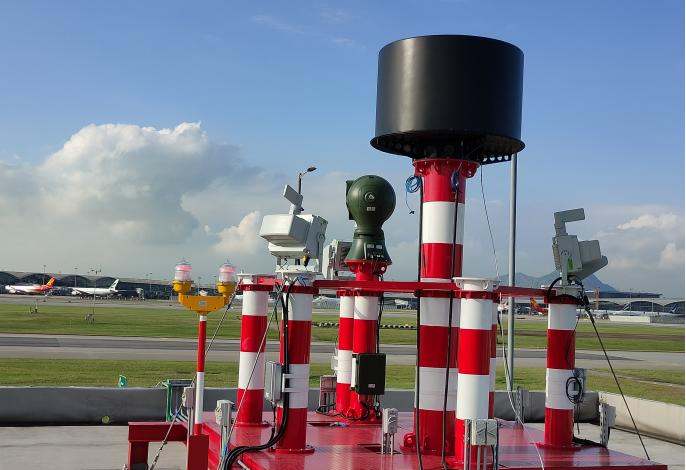
A GPS jammer is a device designed to block or interfere with GPS signals. It disrupts the communication between GPS satellites and receivers, preventing the receiver from getting accurate location data.
Simply put, a GPS jammer emits signals on the same frequency as GPS devices. This creates noise, overpowering the weaker GPS signals from satellites. The result? Your GPS can no longer determine your location accurately.
GPS jammers are primarily used to block vehicle tracking systems or disrupt navigation in certain areas. For criminals, they’re handy tools for stealing cars without being tracked. They can also be used to hide one’s location from surveillance systems or simply to avoid being tracked by others.
GPS jamming technology was initially developed for military use. Its purpose? To protect sensitive operations by preventing enemies from using GPS navigation. Over time, it became more accessible to the public, which led to both legal and illegal uses in civilian areas. Today, they are often used in vehicle thefts and other illicit activities.
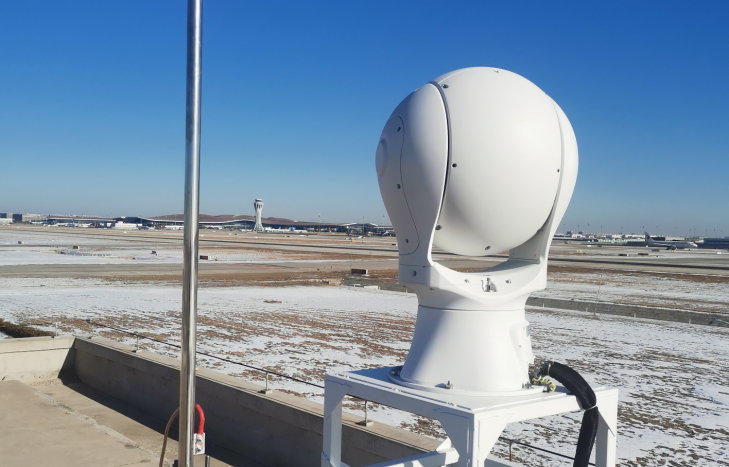
GPS technology relies on satellites to determine location. A GPS receiver on the ground communicates with at least four satellites, calculating the distance from each to pinpoint the receiver’s position.
GPS jammers work by emitting a strong signal on the same frequencies used by GPS satellites. When a GPS jammer is activated, it overwhelms the GPS signal, making it impossible for the receiver to pick up the satellite signals accurately.
GPS satellites send out signals in a specific frequency range. GPS receivers calculate their distance from these satellites by measuring how long it takes for the signal to reach them. A jammer creates a noise signal at the same frequency, which causes the receiver to lose its connection to the satellite network.
At its core, GPS jamming works through radio frequency interference (RFI). Radio waves, including those from GPS satellites, travel at a certain frequency. When a jammer transmits on the same frequency, it floods the receiver's antenna with disruptive signals, blocking the GPS signals. This interference prevents the receiver from distinguishing the true GPS signal from the noise.
GPS jammers come in various forms, each designed for specific purposes. Depending on their size, power, and application, these devices can be used for different levels of interference. Here are the main types:
Characteristics and Usage Scenarios
Portable GPS jammers are small, battery-powered devices. They are easy to carry, typically fitting into a pocket or small bag. Their power output is sufficient to block GPS signals within a few meters, making them ideal for personal use.
Common Uses
They are often used for vehicle theft, disrupting tracking systems that depend on GPS. These jammers are also used for privacy protection, preventing others from tracking a person’s location.
More Powerful and Targeted
These jammers are specifically designed for vehicles. Larger and more powerful than portable models, vehicle-mounted jammers can target GPS tracking systems from a greater distance, often up to several hundred meters.
Criminal Applications
Vehicle-mounted jammers are often used in car theft. They prevent GPS tracking systems from locating stolen vehicles, allowing criminals to evade law enforcement and security systems during a heist.
Industrial-grade and Wide-Range Effects
High-powered jammers are much stronger than portable or vehicle-mounted versions. They are designed to block GPS signals over a wide area, affecting multiple devices at once.
Military and Defense Applications
These jammers are primarily used in military settings to disable enemy navigation systems, preventing accurate GPS tracking in battlefield environments.
Advanced and Powerful
Military-grade GPS jammers are the most advanced. They are highly powerful and can disable GPS systems over large areas, making them effective in strategic operations.
Legal and Availability
Unlike other jammers, military-grade devices are not available to the public. Their use is restricted to government operations due to their significant impact on security and defense.
GPS jammers have a range of applications, some legal and some illegal. From criminals evading law enforcement to individuals protecting their privacy, GPS jammers serve different purposes.
How Thieves Use GPS Jammers
Criminals often use GPS jammers to disable vehicle tracking systems. When a car is stolen, the thief can block the GPS signal, preventing recovery efforts from locating the vehicle.
The Role in Recovery Evasion
By jamming GPS signals, thieves buy valuable time, making it difficult for law enforcement or tracking companies to recover the vehicle quickly.
Avoiding Tracking
Some people use GPS jammers to prevent being tracked. Whether it's from corporations or government agencies, jammers help individuals keep their location private.
Protecting Personal Privacy
GPS jammers are used by those who are concerned about data collection or surveillance. By disabling tracking, they can prevent unauthorized access to their whereabouts.
Fleet Management and Tracking Evasion
In some industries, drivers use jammers to avoid fleet tracking. This allows them to conceal their route or actions, potentially engaging in unauthorized activities.
Disrupting Logistics and Monitoring
Jammers can be used to interfere with logistics systems. This results in delays or issues with monitoring vehicle fleets, which may affect the overall efficiency of a business.
Hiding Location to Evade Authorities
Street racers and reckless drivers sometimes use GPS jammers to avoid being tracked by law enforcement. The jammer prevents authorities from tracking their movements during illegal races or activities.
Ethical and Safety Concerns
Using jammers in this way raises serious ethical and safety issues. It puts public safety at risk, as emergency response systems may be affected, and drivers may evade necessary legal interventions.
While GPS jammers may seem like handy tools for personal privacy or avoiding tracking, their illegal use comes with serious consequences.
Overview of Laws in Various Countries
In most countries, including the US and EU, the use of GPS jammers is strictly prohibited. These devices interfere with crucial communication systems and can disrupt public services.
Penalties and Consequences
Using a GPS jammer illegally can lead to heavy fines, legal action, and even imprisonment. In the US, individuals caught using these devices face fines up to $16,000 per violation.
Federal Communications Commission (FCC) Regulations in the US
The FCC prohibits the sale, marketing, and use of any device that interferes with GPS signals. Their regulations are enforced to protect public safety and prevent disruptions to critical systems.
Worldwide Restrictions
Globally, many countries have similar laws restricting the use of GPS jammers. The European Union, for example, has strict regulations under the Radio Equipment Directive, which bans the sale and use of jammers.
Potential Risks to Public Safety
GPS jammers pose significant risks, especially to emergency services. Disrupting GPS systems can delay ambulance response times, misdirect law enforcement, and even interfere with air traffic control systems.
Impact on Critical Infrastructures
Jammers don't just affect personal devices. They can also impact aviation, maritime navigation, and military operations, potentially causing large-scale disruptions in public safety and security.
If you're experiencing issues with your GPS system, it could be due to jamming. Here are some common signs and ways to detect it.
Recognizing GPS Jamming
One of the clearest signs of GPS jamming is a sudden loss of signal. If your GPS receiver can't acquire or maintain a connection to satellites, it could be jammed.
Effects on Navigation and Tracking
When the signal is lost, your navigation app or GPS device may show an error, freeze, or display no location at all. This can cause confusion, especially when you rely on GPS for directions or real-time tracking.
"GPS Drift" and Location Jumping
GPS jammers often cause inaccurate location data. You may notice your location jumping around the map, a phenomenon known as "GPS drift."
Common Signs on Devices
Devices may show your location in a completely different place, or the position might move erratically. This is a clear indication that jamming may be happening nearby.
Overview of Anti-jamming Technology
Many modern GPS devices come equipped with anti-jamming features. These devices are designed to resist or mitigate the effects of interference.
Using Technology to Detect Jamming
Some devices can detect interference and alert you when jamming occurs. Look for GPS systems that offer real-time notifications for jamming attempts, helping you stay informed.
GPS Jamming Detectors
Specialized detectors are available to identify jamming signals. These tools detect abnormal interference and pinpoint the source of the jamming.
When to Use Detection Tools
If you suspect jamming, a GPS jamming detector can be used to confirm it. These tools help locate the jammer and assess the level of interference, providing useful information for troubleshooting.
GPS jamming is a growing concern for vehicle owners, but there are steps you can take to protect your car and its tracking systems from interference.
Features to Look For in a GPS Tracker
When choosing a GPS tracker, look for models designed to resist jamming. These systems typically include advanced anti-jamming technology that can detect and filter out interference.
Multi-Constellation Support
A GPS tracker with multi-constellation support connects to multiple satellite networks, like GLONASS, Galileo, and BeiDou, in addition to GPS. This increases the likelihood of maintaining accurate location data even if one network is jammed.
Setting Up Alerts for Jamming Detection
Many modern GPS trackers offer real-time interference alerts. You can set up notifications to be sent to your phone or email when jamming is detected.
How Real-Time Notifications Help Mitigate Risks
These alerts allow you to respond quickly, either by moving the vehicle to a safer location or notifying authorities. Real-time notifications are crucial for minimizing the risks of being tracked by criminals using jammers.
Why Hardwired Devices Offer More Protection
Hardwired GPS trackers are directly connected to your vehicle’s electrical system, which makes them more difficult to tamper with compared to battery-powered devices.
Advantages in Continuous Power and Tamper Resistance
Hardwired trackers have the advantage of continuous power, ensuring they remain active even if the battery of a portable device is drained or disconnected. This makes it harder for criminals to disable the tracking system.
Setting Up Geofences
Geofencing allows you to set virtual boundaries around specific locations, such as your home or parking lot. If your vehicle crosses these boundaries, you’ll receive an instant alert.
How Motion Sensors Detect Unauthorized Movement
Many trackers come equipped with motion sensors that detect unauthorized movement. If your car is moved unexpectedly, the system will send an alert, helping you take immediate action to prevent theft or unauthorized use.
While GPS jamming is a concern, there are several alternative technologies to maintain location tracking even when GPS signals are disrupted.
Using Cellular Networks to Estimate Location
When GPS is unavailable, cellular triangulation can be used to estimate a vehicle's location. This method uses signals from nearby cell towers to determine the vehicle’s position.
Advantages in Emergency Situations
Cellular triangulation can provide a fallback when GPS tracking fails. While less accurate, it can still offer sufficient location data, especially in emergencies when GPS is blocked by jammers.
How Vehicles Calculate Location Based on Speed and Direction
Dead reckoning involves tracking a vehicle’s position using its speed, direction, and time elapsed since the last known location. GPS trackers using this method can continue to calculate the location even when GPS signals are unavailable.
The Technology Behind GPS Trackers Using Dead Reckoning
GPS trackers equipped with accelerometers and gyroscopes use these sensors to measure changes in movement and direction. By combining this data, the system can estimate the vehicle's location until GPS signals are restored.
Using RFID for Added Security
RFID (Radio Frequency Identification) tags can be used alongside GPS for additional security. Unlike GPS, RFID doesn’t rely on satellite signals, making it less vulnerable to jamming.
Benefits of RFID in Locating a Vehicle
RFID tags can help track vehicles in areas where GPS may be jammed or unavailable. They are particularly useful when vehicles are parked in enclosed spaces like garages, where GPS signals may struggle to penetrate.
The legality of GPS jammers varies by country, and using one can lead to serious legal consequences. While some people use them for privacy or security, their use often comes with strict restrictions.
Overview of GPS Jammer Laws
In the US, the Federal Communications Commission (FCC) prohibits the use of GPS jammers. This law is enforced due to the potential for widespread disruption to public services, such as emergency response and aviation navigation.
Similarly, in the European Union, the Radio Equipment Directive bans the sale and use of jammers. Most other countries, including Canada and Australia, have similar laws to protect critical infrastructure.
Consequences of Using Jammers
Penalties for using GPS jammers can be severe. In the US, fines can reach up to $16,000, and individuals caught using jammers may also face criminal charges. Many countries impose heavy fines or jail time for those caught using jammers illegally.
Debate Over the Ethical Use of GPS Jammers
GPS jammers are controversial because they can be used to violate privacy. On one hand, they can be seen as tools for protecting personal space by blocking unwanted tracking. On the other hand, they can cause widespread disruption, affecting public services and safety.
Situations Where Jammers May Be Justified
Some argue that GPS jammers can be justified in specific scenarios, such as protecting personal security. For example, individuals fearing surveillance or stalking may use a jammer to prevent unauthorized tracking. However, even in these cases, the risks and potential consequences should be carefully considered.
GPS jammers pose significant risks to vehicle security, disrupting tracking systems and emergency services. To protect against jamming, invest in jamming-resistant GPS trackers, use real-time alerts, and consider hardwired devices. It's crucial to use legal alternatives to avoid the severe consequences of illegal jammer use while ensuring safety and privacy.
A: GPS jammers can block signals within a range of 10 meters to several kilometers, depending on their power output.
A: In most countries, including the US and EU, the use of GPS jammers is illegal due to their impact on public safety and critical infrastructure.
A: Common signs include sudden loss of GPS signal, inaccurate location updates, or erratic map behavior such as GPS drift.
A: Yes, using GPS jammers-resistant tracking systems, real-time interference alerts, and hardwired GPS trackers can help protect your vehicle from jamming.
A: Criminals use GPS jammers to hide the location of stolen vehicles or to disrupt tracking systems used by law enforcement or insurance companies.
A: Yes, there are GPS jamming detectors that can locate the source of interference, and some advanced GPS devices have built-in anti-jamming technology.
A: Penalties can include hefty fines and even imprisonment, depending on the country’s laws, as GPS jammers pose a significant risk to public safety.


