
 English


Views: 0 Author: Site Editor Publish Time: 2025-08-20 Origin: Site


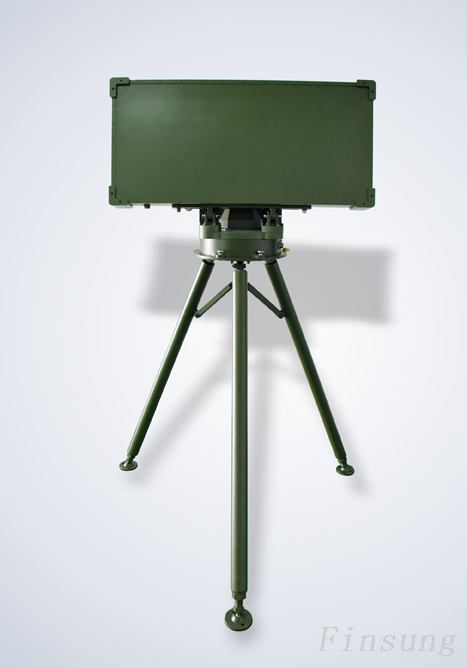
RF (Radio Frequency) technology is the backbone of modern communication systems. But what happens when this vital technology is disrupted? RF jamming is a growing concern, blocking signals and causing communication failures. In this post, we’ll explore how RF anti-jamming technology works and the solutions it provides. You’ll learn about the techniques that protect signals from interference and ensure secure communication.
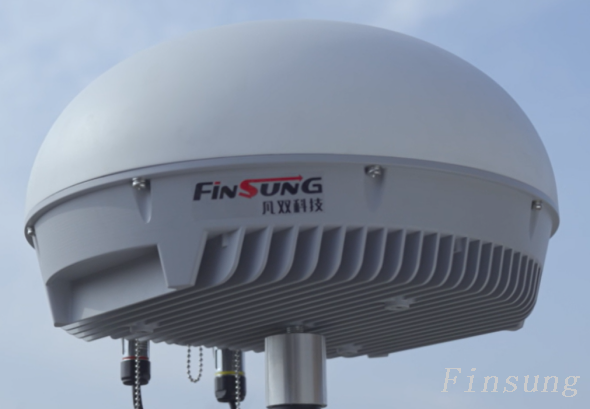
RF anti-jamming technology protects communication systems from disruptions caused by interference. It ensures that signals can be received clearly, even when attackers attempt to block or manipulate them. The core purpose is to maintain secure and reliable communication, especially in military, aerospace, and telecommunications.
Anti-jamming is vital in preventing malicious interference. By using specialized techniques, it safeguards critical communications, preventing service disruptions or unauthorized access.
RF jamming is the deliberate disruption of communication by overpowering or blocking the signals. It affects systems relying on radio frequency for data transfer, such as GPS, cellular networks, and military communication channels.
There are two types of RF jamming:
Intentional Jamming: Malicious interference aimed at disrupting communication, typically used in warfare or by cyber attackers.
Unintentional Jamming: Caused by the overuse of wireless devices or environmental factors like electronic noise, which can weaken or block signals.
Understanding these problems helps in developing robust anti-jamming measures, ensuring continuous communication and safety.
Adaptive Antennas
Adaptive antennas adjust to interference, reducing jamming signals. They detect the direction of the unwanted signal and steer "nulls" to block it, allowing the desired signal to pass through. This ensures clearer communication even in areas with high interference.
Benefits: These antennas improve signal quality and reliability in dynamic environments, making them ideal for military and aviation use.
Beamforming
Beamforming focuses a radio beam in a specific direction, enhancing the reception of signals and making it harder for jammers to interfere. By concentrating the signal, it becomes more resistant to outside interference.
Use cases: Beamforming is particularly effective in radar systems, military communications, and satellite systems where precise signal direction is crucial.
Frequency Hopping
Frequency hopping involves rapidly changing the transmission frequency, making it difficult for jammers to stay synchronized. The system hops across a wide range of frequencies, preventing jammers from targeting the signal for long.
Real-world example: Military and Wi-Fi networks use frequency hopping to avoid interference from other devices, ensuring continuous communication.
Spread Spectrum Techniques
Spread spectrum spreads the signal across a wider range of frequencies, making it harder for jammers to block or distort the signal. It also improves resistance to noise and interference.
Types: Direct sequence spread spectrum (DSSS) and frequency hopping spread spectrum (FHSS) are common methods used in RF communication to combat jamming.
Nulling
Nulling creates "nulls" or areas of reduced sensitivity towards the direction of a jammer, effectively blocking its interference while maintaining the reception of the desired signal.
Multi-jammer scenarios: This technique can handle multiple jammers at once by creating several nulls in different directions.
Excision
Excision removes narrowband interference, filtering out jamming signals that exceed a certain threshold. By eliminating these unwanted signals, the communication system remains clear.
Effective in: Environments where narrowband jamming is prevalent, such as urban settings with lots of electronic noise.
Spatial Diversity
Spatial diversity uses multiple antennas placed in different locations to capture signals from various directions. This makes it harder for a jammer to block all signals at once.
Examples: Cellular networks and satellite communications often use spatial diversity to ensure that signal reception isn't affected by local interference.
Directional antennas focus radio signals in a specific direction, making it harder for jammers to target them. By concentrating the signal in a narrow beam, these antennas enhance the reception and prevent interference from other sources.
This technique is especially useful in environments where precise communication is needed, such as military operations and satellite communications.
Power management spreads the signal's power across multiple frequencies or channels. This technique makes it difficult for jammers to block the entire signal. Even if a jammer targets one frequency, the signal is still transmitted through others.
In dynamic environments like wireless networks, power management ensures better resilience against interference, providing continuous, reliable communication.
Encryption secures RF communications by encoding the data, making it unreadable to anyone without the proper key. Even if a jammer intercepts the signal, it won’t be able to decipher the information.
Secure communication protocols go beyond encryption, making the signal more resistant to tampering and interference. These protocols ensure that even in challenging environments, the communication remains intact and protected from jamming.
Spot Jamming
Spot jamming targets a specific frequency, overwhelming it with noise. This method is efficient when the jammer knows which frequency to block. It disrupts communication on a narrow band but doesn’t affect the entire spectrum.
Sweep Jamming
Sweep jamming shifts the jamming signal across multiple frequencies. This method jams several frequencies in quick succession, but not all at the same time. It’s harder to avoid, as it continually changes where the interference is coming from.
Barrage Jamming
Barrage jamming involves sending interference across a wide range of frequencies simultaneously. While this affects multiple channels, it reduces the overall strength of the jamming signal on each frequency. It’s a brute-force approach to disrupting communication.
Repeater jamming, or Digital Radio Frequency Memory (DRFM) jamming, works by intercepting the received signal and retransmitting it with modifications. This confuses the receiver, as it sees altered signals, creating false targets or misleading information.
How DRFM Jamming Works in Electronic Warfare
DRFM jammers alter and re-broadcast radar signals, tricking systems into detecting fake targets or misjudging distances. This technique is particularly effective in military applications, where misleading radar data can disrupt enemy operations.
Role of DRFM in Creating False Targets
DRFM technology allows jammers to mimic the timing and frequency of legitimate signals, causing confusion in radar systems. By generating false returns, it can lead to misidentified threats, diverting attention from real targets.
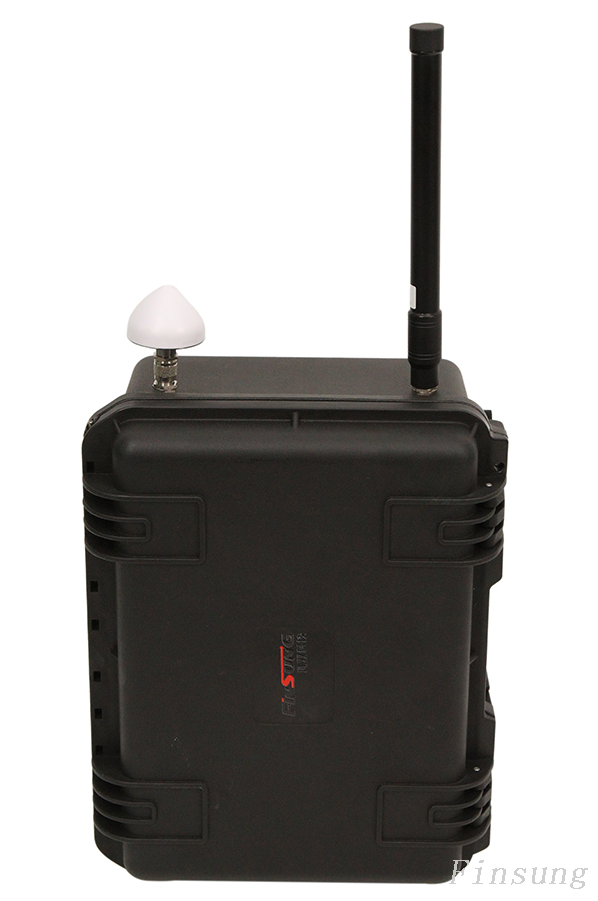
RF anti-jamming technology plays a crucial role in modern military operations. It ensures secure communication in environments where interference is common. For instance, military personnel use RF anti-jamming in their communication systems to prevent enemy disruption.
Examples in UAVs, Communications, and Radar Systems
In UAVs (Unmanned Aerial Vehicles), RF anti-jamming prevents signals from being intercepted or blocked. It helps maintain control and communication with drones during missions. Anti-jamming also secures radar systems from interference, allowing military assets to function without disruption in hostile environments.
In aerospace, RF anti-jamming technology protects aircraft communication systems from interference. Aircraft communication channels must remain open and clear for safe operation, especially in congested airspace. Anti-jamming ensures that pilots and air traffic controllers can maintain continuous contact, even in challenging conditions.
Telecommunications networks depend heavily on secure RF communication. Cellular networks, Wi-Fi systems, and other wireless communication technologies must be safeguarded from RF interference.
Ensuring Secure Communications
RF anti-jamming is used to protect data transmission in wireless networks. By using advanced anti-jamming techniques, telecom companies can provide reliable services without disruption from external jammers.
Drones, especially in military and civilian applications, are vulnerable to RF jamming attacks. RF anti-jamming technology ensures that drones can operate safely in areas where jamming threats exist.
Protecting Drones from Jamming Attacks
By employing RF anti-jamming methods, drones can maintain communication and navigation systems, ensuring they continue functioning even in the presence of jamming signals.
How RF Anti-Jamming Is Used in Military and Civilian Operations
In military operations, drones are often used for surveillance and reconnaissance. Anti-jamming technology ensures these UAVs remain operational during critical missions. Civilian drones, such as those used for delivery or agriculture, also benefit from RF anti-jamming to prevent interference and ensure safe operation.
While RF anti-jamming technology is effective in many cases, it can struggle against high-power jammers. When jammers emit very strong interference, even advanced techniques may fail to maintain signal integrity. These powerful jammers can saturate the receiver, making it difficult for the anti-jamming system to differentiate between legitimate signals and interference.
Integrating multiple anti-jamming techniques into one system is a complex task. Different methods like frequency hopping, beamforming, and adaptive antennas require precise synchronization. Ensuring that each method works together seamlessly can be technically challenging, especially in dynamic environments where interference constantly changes.
The world of RF jamming is constantly evolving. New jamming methods emerge regularly, adapting to counter the effectiveness of existing anti-jamming technologies. This constant evolution means that anti-jamming systems must continually improve to keep up. It’s a battle between innovative anti-jamming solutions and the ever-adaptive jammers, requiring ongoing research and development.
In the ongoing conflict between Ukraine and Russia, Ukrainian defense forces have successfully deployed RF anti-jamming technology to protect drones from Russian jamming attempts. These drones are crucial for surveillance and reconnaissance, and maintaining reliable communication is vital during missions.
Frequency Hopping and Encryption
To ensure continuous communication, frequency hopping is used to rapidly change the drone’s communication frequency, making it difficult for jammers to track. Encryption further secures the signal, ensuring that even if the jammer intercepts the transmission, the data remains unreadable.
This combination of anti-jamming techniques allows Ukrainian drones to operate in jamming-prone environments, ensuring that they can continue performing critical tasks without losing contact with the control team.
Telecom companies, especially in urban areas, face the challenge of protecting their networks from RF jamming. The dense concentration of wireless devices makes these networks vulnerable to interference.
Adaptive Antennas and Spread Spectrum
Telecom providers use adaptive antennas to detect and adjust the direction of incoming interference. Spread spectrum techniques further enhance signal resilience by distributing the signal across a wide range of frequencies. This makes it harder for jammers to disrupt the entire network.
These techniques help telecom companies provide uninterrupted services, even in densely populated areas where the risk of jamming is high.
To protect your mobile devices and Wi-Fi from RF jamming, consider these practical steps:
Use Secure Communication Apps
Always use encrypted messaging apps to keep your conversations safe. End-to-end encryption ensures that even if your communication is intercepted, it cannot be read by unauthorized parties.
Enable VPNs
Using a Virtual Private Network (VPN) adds an extra layer of protection. It encrypts your internet traffic, making it harder for attackers to interfere with your connections.
Regularly Update Software
Keep your devices updated with the latest security patches. These updates often include fixes for vulnerabilities that jammers or hackers could exploit.
Protecting communication systems at home or in the office from RF interference is essential, especially in areas with a lot of electronic devices.
Install Anti-Jamming Solutions
In environments where RF interference is a concern, installing anti-jamming solutions like directional antennas or signal boosters can help. These systems filter out unwanted signals and ensure your devices stay connected.
Use Secure Wi-Fi Networks
Secure your Wi-Fi by using WPA3 encryption and changing default passwords. This reduces the chances of unauthorized access and potential jamming.
Strategic Placement of Devices
Place sensitive devices away from potential interference sources, such as microwave ovens or wireless routers. This minimizes the risk of signal disruption from nearby electronics.
Machine learning (ML) and artificial intelligence (AI) are rapidly transforming the landscape of RF anti-jamming technology. These advancements allow systems to predict and respond to interference patterns more efficiently.
AI-Enhanced Anti-Jamming
AI can analyze vast amounts of data in real-time, identifying potential jamming threats and automatically adjusting the communication parameters. This makes anti-jamming systems more adaptive and responsive, improving their ability to protect signals in dynamic environments.
Next-Generation RF Technologies
As RF technologies evolve, new innovations like advanced beamforming and high-frequency systems are being integrated into anti-jamming solutions. These technologies improve the resilience of communication systems, ensuring they remain secure even in the face of sophisticated interference attempts.
With the rollout of 5G networks, RF anti-jamming technologies are facing new challenges and opportunities.
Evolving in the 5G Era
The speed and complexity of 5G networks demand more advanced anti-jamming measures. As 5G introduces higher frequencies and more connected devices, RF systems will need to evolve to protect against interference across a broader spectrum.
Challenges and Opportunities
Securing 5G networks presents challenges due to their widespread use and reliance on higher frequency bands, which are more susceptible to jamming. However, these challenges also open opportunities for developing innovative anti-jamming technologies that can address new security concerns in the wireless world.
RF anti-jamming technology protects communication systems from disruptions, ensuring secure and reliable signal transmission. It uses techniques like adaptive antennas, frequency hopping, and encryption to maintain clarity in the presence of interference.
As jamming threats evolve, staying ahead with advanced anti-jamming solutions is crucial to secure communication systems and ensure uninterrupted service.
A: RF jamming is deliberate interference to block communication, while RF interference is unintentional disruption caused by other electronic devices.
A: Frequency hopping rapidly changes transmission frequencies, making it harder for jammers to lock onto a specific frequency and disrupt the signal.
A: Yes, RF anti-jamming technology can be applied to secure consumer electronics, such as smartphones and Wi-Fi systems, from interference.
A: Military operations use advanced techniques like frequency hopping, beamforming, and adaptive antennas to counter jamming and maintain secure communication.
A: Vulnerability can be assessed through signal strength testing and monitoring for disruptions in communication, especially in high-interference areas.


